Welcome to Lowcountry Dreams Farm
Hair Sheep
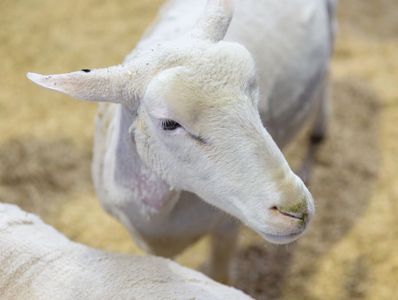
Here at the farm we breed hair sheep. We origiannly started out with Registered St Croix due to the wonderful parasite resistance they have. We quickly found that St Croix in the South, take forever to grow out so we decided to cast our lots on a breed called "Royal White". In fall of 2024 we traded our beautiful St. Croix Ram out for a sturdy Royal White to put over our female St Croix. We were very pleased with the results. We got stocky, hardy, fast growing lambs that we could put in the freezer within 6 months instead of waiting a year or more. We will probably trade out our ram this coming fall for a new ram so we can keep his daughters continue the line. We are so happy with the quality of lamb we have created.

Why Parasite Resistance Matters
Here in the South East, parasites are prominent and a huge problem for farmers. Its important to choose strong, healthy, resistant animals if you want to farm as naturally as possible. We strive to keep our animals resistant by only worming when absolutely necessary! We check for worms 2x a year and if we find that one of our sheep is struggling, we first worm with the appropriate protocols. If we see the same sheep still struggling, we will worm once more. If there is a lamb or sheep that is struggling and we see issues a third time we cull to prevent any weak lines from continuing in our flock. Thankfully all of the trouble sheep we started with have been eliminated and the sheep we have in our breeding program are strong, healthy and have an impecable resistance! Parasites can cause havvoc on your flock and do it quickly, so we reccommend making sure that any sheep you pick up for your flock is healthy and has been managed correctly.
About Lowcountry Dreams

St Croix
Royal White
St Croix
St Croix Sheep are a hardy, low-maintenance hair sheep breed known for their excellent parasite resisatance, gentle temperament, and strong maternal instincts. Originally from the Caribbean Island of St. Croix, these sheep thrive in warm, humid climates like ours here in the Lowcountry. Their natural parasite resistance and ablity to flou
St Croix Sheep are a hardy, low-maintenance hair sheep breed known for their excellent parasite resisatance, gentle temperament, and strong maternal instincts. Originally from the Caribbean Island of St. Croix, these sheep thrive in warm, humid climates like ours here in the Lowcountry. Their natural parasite resistance and ablity to flourish on grass makes them a practical and sustainable Choice. St, Croix grow hair instead of wool, allowing shedding, making them very low-maintenance and hands off. St. Croix are prized for their ability to thrive on pasture their natural resistance to many common sheep health challenges, and their calm, docile nature. Ewes are attentive mothers with high lamb survival rates, and the breed is known for efficient growth and quality meat.
Dorper
Royal White
St Croix
The Dorper is a hardy meat sheep originally developed in South Africa in the 1930s by crossing Dorset Horn sheep with Blackhead Persians. They were bred specifically to thrive in dry, harsh climates, which is part of what makes them such a tough and adaptable breed today.
Dorpers are known for being naturally polled (hornless) with long, w
The Dorper is a hardy meat sheep originally developed in South Africa in the 1930s by crossing Dorset Horn sheep with Blackhead Persians. They were bred specifically to thrive in dry, harsh climates, which is part of what makes them such a tough and adaptable breed today.
Dorpers are known for being naturally polled (hornless) with long, well-built bodies and a short, low-maintenance coat made up of hair and a little wool. Most people recognize them by their classic black head, though there are also White Dorpers — the difference really just comes down to breeder preference.
This breed is well loved for its excellent fertility, strong mothering instincts, and fast growth rate, with lambs often reaching around 80 pounds by just 3½ to 4 months of age. They’re incredibly adaptable, hardy, and efficient, which is why they’ve become such a popular choice for shepherds around the world.
Today, the Dorper is the second largest sheep breed in South Africa and continues to grow in popularity across many countries thanks to its resilience and productivity.
Royal White
Royal White
Royal White
Royal White sheep are a hair sheep breed developed right here in the United States by William Hoag of Dorpcroix Sheep Farm in Hermleigh, Texas. What began as a hobby in the mid-1990s with St. Croix sheep eventually led to the introduction of Dorper and White Dorper genetics, creating what were first known as Dorpcroix sheep. Large-framed
Royal White sheep are a hair sheep breed developed right here in the United States by William Hoag of Dorpcroix Sheep Farm in Hermleigh, Texas. What began as a hobby in the mid-1990s with St. Croix sheep eventually led to the introduction of Dorper and White Dorper genetics, creating what were first known as Dorpcroix sheep. Large-framed St. Croix ewes were carefully selected from flocks across the western U.S., and the resulting crosses were bred for improved performance, hardiness, and lower maintenance.
These sheep quickly gained popularity because they allowed traditional wool producers to keep their wool ewes while using Dorpcroix rams to produce lambs that required less labor, had strong survivability, and often produced higher lamb numbers.
Royal Whites are known for their balanced frame and proportional build, standing tall enough off the ground to help regulate body temperature. They grow a longer hair coat in the fall and naturally shed it in the spring, making them very low maintenance. As their name suggests, they are completely white, and both ewes and rams are naturally polled (hornless).
Research has played an important role in the development of this breed. Texas Tech University has studied Royal Whites since the late 1990s, focusing on feed efficiency and meat quality, while Texas A&M University has conducted research on scrapie resistance since the early 2000s.
Today, the Royal White Sheep Association continues to improve the breed through genetic testing, with a focus on traits like parasite resistance, scrapie resistance, and overall performance.
Typical mature weights are:
• Rams: 185–235 pounds
• Ewes: 175–210 pounds